
POLITICAL CAMPAIGN PRINTING USA

The Impact of Political Campaign Printing in the USA
Shaping Elections and Engaging Voters
In the dynamic landscape of American politics, effective communication plays a pivotal role in shaping public opinion and influencing voter behavior. As political campaigns intensify, candidates and their teams employ various strategies to connect with constituents, and one such crucial element is political campaign printing. This article delves into the significance of political campaign printing in the USA, exploring its impact on elections and the strategies employed by candidates to engage voters.
Popular Products

Door Hangers
Browse Door Hangers
View details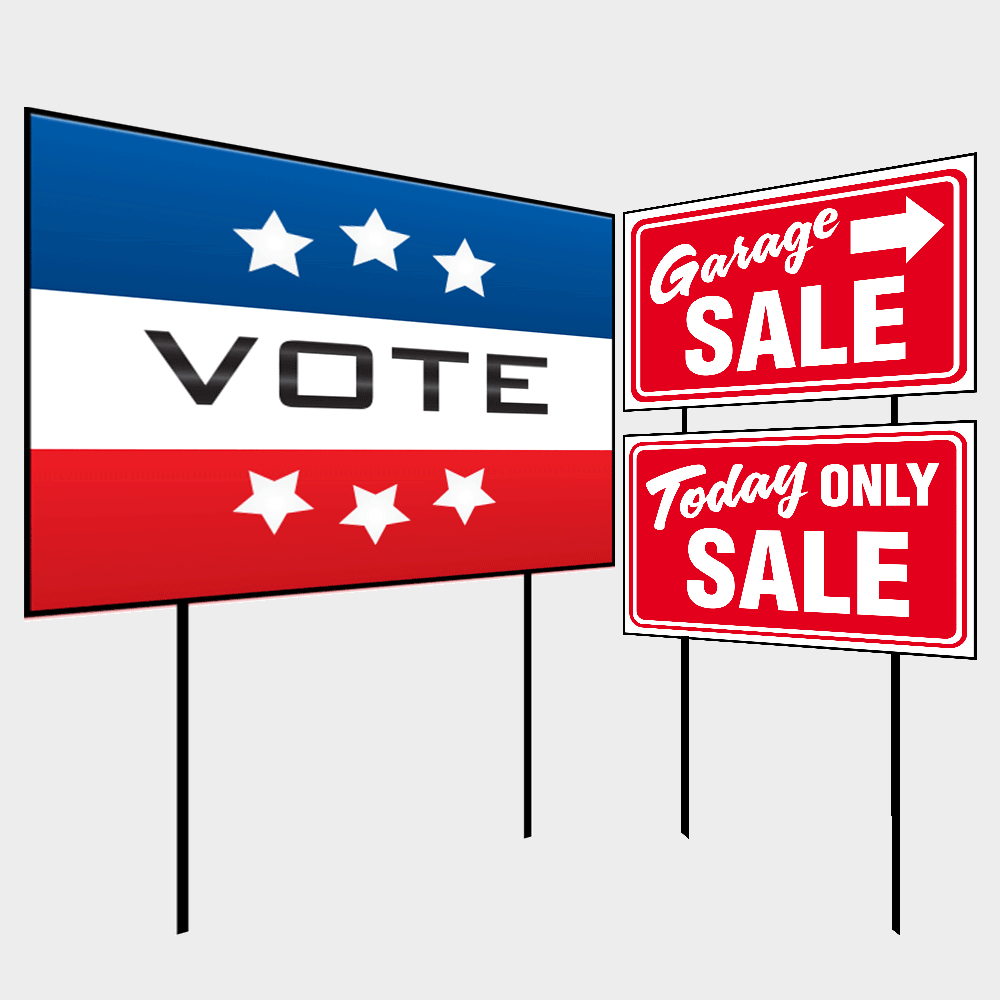
Yard Signs
Browse Yard Signs
View details
Banners
Fabulous Banners

Flyers
Best Flyers

Displays & Stands
Browse Displays & Stands

Round Buttons
Browse Table Displays

Poster
Best Poster

Sticker Printing
Sticker Printing

Brochures
Brochures
The Power of Print in Political Campaigns
Campaign Collateral:
Political campaigns leverage a wide array of printed materials to create a visual and tangible presence. From campaign posters and flyers to brochures and mailers, these materials serve as powerful tools for conveying a candidate's message, values, and policy positions.
Yard Signs:
Perhaps one of the most iconic elements of political campaigning is the ubiquitous yard sign. These signs are strategically placed in residential areas, turning neighborhoods into visual representations of support for a particular candidate. They serve as a constant reminder to voters and contribute to the overall visibility of the campaign.
Direct Mail Campaigns:
Direct mail remains a significant aspect of political communication. Campaigns use targeted mailers to reach specific demographics, providing detailed information about the candidate's platform and accomplishments. Personalized messages delivered to voters' mailboxes aim to create a direct and lasting impact.
Event Materials:
Political rallies and events are crucial for engaging directly with voters. Printed materials such as banners, signage, and promotional items contribute to the overall atmosphere of these gatherings, creating a sense of unity among supporters.
The Role of Design and Branding:
Brand Consistency:
Establishing a consistent brand is essential for political campaigns. Printed materials, from banners to business cards, should adhere to a unified design that reflects the candidate's identity. Consistency fosters recognition and reinforces the campaign's messaging.
Visual Appeal :
The visual appeal of campaign materials is a key factor in capturing the attention of voters. Eye-catching designs, compelling imagery, and clear messaging contribute to the effectiveness of political print materials, helping candidates stand out in a crowded political landscape.
Print Technology Advancements:
With advancements in printing technology, campaigns have access to high-quality, cost-effective printing solutions. This enables candidates to produce professional and visually striking materials, even on tight budgets.
Engaging Voters Through Print:
Targeted Messaging:
Political campaign printing allows for the customization of messages based on specific demographics. Tailoring content to resonate with the concerns and interests of different voter groups enhances the effectiveness of campaign materials.
Incorporating QR Codes:
Integrating technology into printed materials has become a popular strategy. QR codes on campaign literature can lead voters to candidate websites, donation pages, or event schedules, fostering a seamless connection between print and digital campaigns.
Interactive Print:
Some campaigns experiment with interactive print elements, such as scratch-off panels revealing policy points or tear-off sections with contact information. These creative approaches encourage active engagement with campaign materials.
Conclusion:
In the ever-evolving landscape of political campaigning in the USA, the role of print remains undeniably crucial. Political campaign printing serves as a tangible bridge between candidates and voters, enabling effective communication and fostering engagement. As technology and design continue to advance, political campaigns will undoubtedly find new and innovative ways to leverage the power of print in shaping the outcome of elections.
